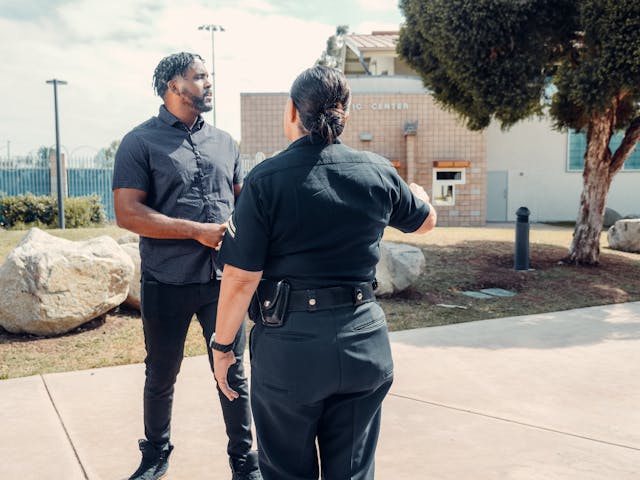
When you’re driving, the last thing you want to see is blue and red lights flashing behind you. Being pulled over by the police can be anxiety-inducing, but matters may be made even worse when they ask you to exit the vehicle because they want to perform a field sobriety test to determine if you are intoxicated. Before you agree to participate, it’s important to learn whether or not you can refuse this test. The following blog explores what you should know about this process and the importance of working with a Contra Costa County DUI lawyer to help if you’re facing charges.
What Is a Field Sobriety Test?
A field sobriety test is a set of tasks used by law enforcement to determine if a driver is under the influence of drugs or alcohol. Generally, these consist of mental and physical tasks used to look for signs of impairment, such as inability to balance, difficulty following directions, and lack of coordiantaiton. Often, this is used as a precursor for additional testing.
Typically, the test will consist of three different tasks. The first is a Horizontal Gaze Nystagmus test in which the officer will ask you to follow a light with your eyes to look for involuntary movement or jerking. Next, you will be asked to walk heel to heel for a certain number of steps before turning and walking back. Finally, you may be asked to stand on one leg and count backward from a random number.
Do I Have to Participate?
While you may know that, because of the state’s implied consent laws, refusal to participate in a breathalyzer or other chemical test can lead to the automatic suspension of your license, this does not apply to field sobriety tests. As such, if you are asked to participate in one of these tests, you should politely decline. You should note, however, that if the officer asks you to step out of your vehicle, you must comply with this order. However, once you have exited your car, you should not take a field sobriety test.
Unfortunately, these tests are incredibly subjective. What one officer may believe to be a wobble during your HGN test may go completely unnoticed by another officer, as there is no surefire way to standardize these tests.
In addition, refusing to participate in this test reduces the amount of evidence the prosecution has against you. Though they still will rely on the observation of the officer leading up to the traffic stop as well as any evidence gathered at the scene, this can reduce the state’s case against you.
If you have been charged with a DUI in California, it’s critical to take the necessary steps to protect yourself. As such, one of the most important things you can do is connect with an experienced criminal defense attorney to explore your legal options. At O’Connor Law APC, we understand how difficult these matters can be to navigate, which is why we will do everything in our power to help you navigate the complex legal system. Contact us today to learn more about how we can help you fight for the best possible outcome for yoru circumstances.