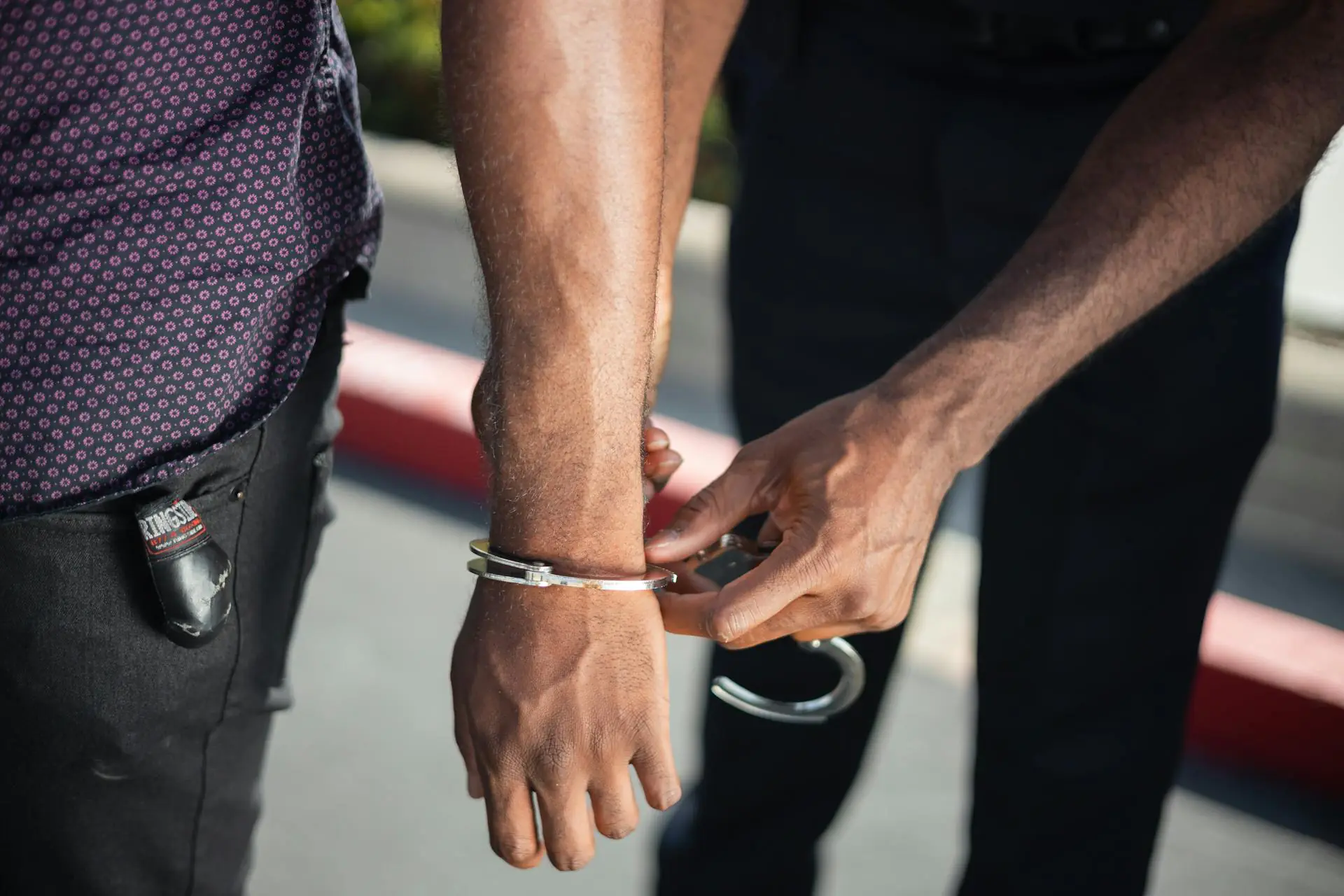
Encounters with law enforcement can be confusing and intimidating, especially if you’re not familiar with the criminal justice system or legal terms. Many people are unsure when police are permitted to make an arrest and whether or not reasonable suspicion is grounds enough. It’s important to understand your legal rights and options to protect yourself and recognize when it may be time to consult with a legal professional. Reach out to a knowledgeable Pleasant Hill criminal lawyer for more information and legal assistance today.
What is Reasonable Suspicion?
Reasonable suspicion is a legal standard that allows law enforcement officers to briefly stop or detain someone if they have specific and articulable facts that suggest criminal activity may be occurring.
The standard was established in the United States Supreme Court case Terry v. Ohio, which allows limited investigative stops commonly called “Terry stops.” Officers may have reasonable suspicion based on various factors. Below are some examples.
- Looking in the windows and trying the door handles of parked cars
- Casing the outside of a building in a high-crime area
- Matching the description of a suspect
- Attempting to flee when police approach
- Observing what appears to be illegal activity
When determining whether there truly was reasonable suspicion, courts evaluate whether a reasonable officer in the same situation would suspect criminal activity.
Is Reasonable Suspicion Sufficient Enough for an Arrest in CA?
No, in California, reasonable suspicion is not sufficient to make an arrest. Having reasonable suspicion only permits law enforcement to conduct a brief stop to collect more information and either dispel or confirm their belief that criminal activity may be afoot.
Police officers must have probable cause to make an arrest. This is a higher legal standard requiring a reasonable belief that a specific person committed a crime. Probable cause exists when facts and evidence would lead a reasonable person to believe that a crime occurred and that the suspect committed it. Examples of evidence that may support probable cause include:
- Witness statements
- Physical evidence
- Observing a crime in progress
Without probable cause, an officer generally cannot conduct a lawful arrest, search a property, or take more intrusive actions, though limited exceptions apply.
Can Evidence Be Thrown Out if an Arrest Was Illegal?
Yes, if you were unlawfully arrested, it is possible that any evidence collected will be thrown out. Your defense attorney can file a motion to suppress evidence if your constitutional rights were violated. Any evidence obtained through unlawful police conduct, including illegal arrests or searches, may be excluded from court. However, you must be able to present evidence that the arrest was unlawful.
A lawyer can review whether your constitutional rights were violated and determine whether evidence may be challenged. Reach out to a skilled professional for more information today.