Finding toxic mold in your home can be concerning, especially if it begins to affect your health. In California, the legal process of holding a property owner accountable for mold-related illness can be complex, involving strict requirements for notice and proof of negligence. Tenants often wonder about their rights and whether they have a valid lawsuit. Continue reading to discover the circumstances under which you can successfully sue your landlord for injuries resulting from toxic mold in a rental property in California. Work with a skilled Contra Costa County injury lawyer for experienced representation during your case.
What is Toxic Mold?
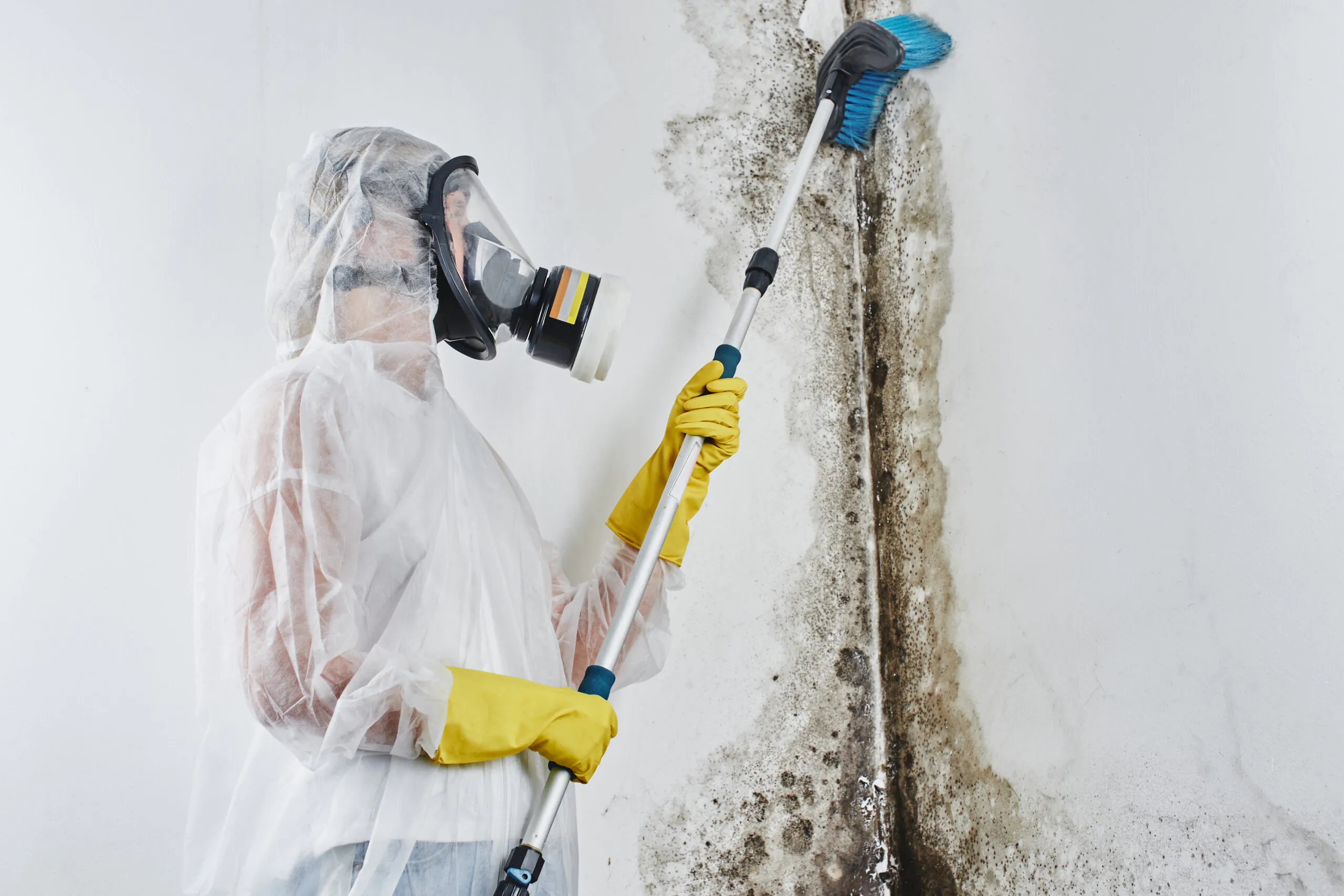
Toxic mold refers to certain types of mold or fungi that may produce harmful substances called mycotoxins, which can negatively affect human health. Black mold (Stachybotrys chartarum) is one of the most well-known types.
Some molds may produce mycotoxins that can become airborne through spores or contaminated dust that can cause severe respiratory issues, immune suppression, eye and skin irritation, persistent headaches, fatigue, allergic reactions, and more. While mold can affect anyone, individuals with asthma, allergies, or weakened immune systems may be especially vulnerable.
What Are California Habitability and Premises Liability Laws?
California law requires landlords to maintain rental properties in a livable condition under the implied warranty of habitability. This means rental units must meet basic health and safety standards, including having proper plumbing, safe electrical systems, structural integrity, and protection from environmental hazards, like mold.
Another important legal concept is premises liability, which holds property owners responsible for injuries caused by unsafe conditions on their property. This law requires property owners and managers to take reasonable steps to ensure safety, identify hazards, and rectify issues.
Can I Sue My Landlord for Injuries from Toxic Mold in CA?
Yes, it is possible to sue your landlord for injuries caused by toxic mold, given that you can prove their negligence or liability in the matter. You may have a valid case if:
- A dangerous mold condition existed in your rental property
- The landlord knew about the mold problem or should have known about it
- The landlord failed to repair the issues within a reasonable time
- The mold exposure caused measurable harm, such as medical problems or property damage
Establishing these factors involves proving negligence, meaning the landlord failed to act with reasonable care and uphold the standards owed to you.
How Can I Prove My Landlord Was Responsible for My Mold Exposure?
Proving landlord responsibility requires establishing a clear link between their negligence and your mold-related injuries. First, you must show the landlord had actual or constructive notice of the mold or the underlying condition, for example, a persistent leak. This often involves presenting written communication, such as emails or certified letters, documenting when you notified them.
You also need evidence that the landlord failed to remedy the issue within a reasonable timeframe. Medical documentation must clearly connect your health issues to the mold exposure in the unit. Finally, expert testimony from mold inspectors and medical professionals can provide additional proof of causation and negligence.
For more information and legal advice, contact an experienced personal injury attorney today.